


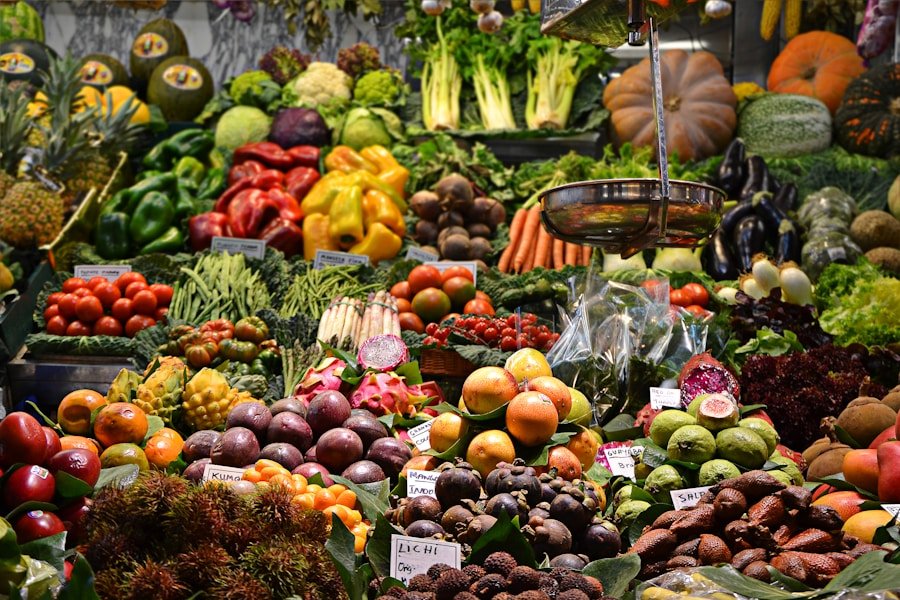
Food has always been a universal language that transcends borders and brings people together. It is a reflection of culture, history, and tradition, and has the power to connect people from different parts of the world. Through food, we can explore and experience the rich tapestry of global cuisine, and gain a deeper understanding of the diverse cultures and traditions that make up our world. Global food festivals provide a unique opportunity to celebrate and showcase the culinary traditions of different cultures, and to embrace diversity and inclusivity through the universal language of food. These festivals not only highlight the unique flavors and ingredients of different cultures, but also serve as a platform for cultural exchange and cross-cultural connections. In this article, we will explore the significance of global food festivals in preserving and sharing cultural heritage, and the importance of experiencing culinary traditions from around the world.
The Rich Tapestry of Global Food Festivals
Global food festivals are a celebration of the rich tapestry of global cuisine, and provide a platform for people to come together and experience the diverse flavors and ingredients of different cultures. From the vibrant street food markets of Thailand to the colorful spice markets of India, these festivals offer a sensory journey through the culinary traditions of various countries. The annual Taste of Chicago festival, for example, brings together food vendors from around the world to showcase their traditional dishes, allowing visitors to sample a wide variety of global cuisine in one location. Similarly, the World Gourmet Summit in Singapore features renowned chefs from different countries, who come together to create unique fusion dishes that highlight the diversity of global flavors. These festivals not only offer a feast for the senses, but also provide an opportunity for people to learn about different cultures through their food, and to appreciate the unique flavors and ingredients that make up the global culinary landscape.
Global food festivals also play a significant role in promoting cultural exchange and cross-cultural connections. The annual Smithsonian Folklife Festival in Washington, D.C., for example, features a “Foodways” program that explores the culinary traditions of different cultures through cooking demonstrations, tastings, and discussions with food experts. This program allows visitors to gain a deeper understanding of the cultural significance of food, and to engage in meaningful conversations with people from different parts of the world. Similarly, the World Street Food Congress in Manila brings together street food vendors from various countries to share their culinary traditions and exchange ideas on how to preserve and promote their unique food cultures. These festivals not only celebrate the diversity of global cuisine, but also serve as a platform for cultural exchange and dialogue, fostering a greater sense of understanding and appreciation for different cultures.
Experiencing Culinary Traditions from Around the World
Global food festivals offer a unique opportunity to experience culinary traditions from around the world, and to gain a deeper understanding of the cultural significance of food. The annual La Tomatina festival in Spain, for example, is a celebration of the country’s rich culinary heritage, where participants engage in a massive tomato fight that symbolizes the abundance of the region’s harvest. This festival not only showcases the vibrant flavors and ingredients of Spanish cuisine, but also provides a glimpse into the country’s agricultural traditions and history. Similarly, the Okinawa Hari festival in Japan celebrates the island’s unique culinary traditions through traditional dance performances, music, and food tastings. This festival offers visitors a chance to experience the flavors and ingredients of Okinawan cuisine, and to learn about the cultural significance of food in the region.
Global food festivals also provide an opportunity for people to engage with local communities and learn about their culinary traditions. The annual Pizzafest in Naples, Italy, for example, brings together pizza makers from around the world to showcase their traditional pizza recipes and techniques. Visitors can watch live demonstrations of pizza making, sample different types of pizza, and learn about the history and cultural significance of this iconic Italian dish. Similarly, the annual Durban Curry Festival in South Africa celebrates the country’s rich Indian culinary heritage through cooking demonstrations, tastings, and cultural performances. This festival offers visitors a chance to experience the unique flavors and ingredients of Indian-inspired South African cuisine, and to engage with local chefs and food experts to learn about their culinary traditions.
Embracing Diversity and Inclusivity Through Food
Global food festivals play a crucial role in embracing diversity and inclusivity through the universal language of food. These festivals provide a platform for people from different backgrounds to come together and celebrate their culinary traditions, fostering a greater sense of understanding and appreciation for cultural diversity. The annual Multicultural Festival in Canberra, Australia, for example, features a “Global Village” program that showcases the diverse culinary traditions of different cultures through cooking demonstrations, tastings, and cultural performances. This program allows visitors to experience the unique flavors and ingredients of various cuisines, and to engage with people from different parts of the world to learn about their culinary traditions.
Global food festivals also provide an opportunity for people to celebrate their own cultural heritage and share it with others. The annual Chinese New Year Food Festival in San Francisco, for example, features traditional Chinese dishes such as dumplings, noodles, and dim sum, as well as cooking demonstrations and cultural performances. This festival allows members of the Chinese community to showcase their culinary traditions and share them with a wider audience, fostering a greater sense of pride and appreciation for their cultural heritage. Similarly, the annual Greek Food Festival in New York City celebrates Greek cuisine through traditional dishes such as moussaka, souvlaki, and baklava, as well as live music and dance performances. This festival provides an opportunity for members of the Greek community to come together and share their culinary traditions with others, fostering a greater sense of unity and inclusivity.
Highlighting the Unique Flavors and Ingredients of Different Cultures
Global food festivals highlight the unique flavors and ingredients of different cultures, offering visitors a chance to explore the diverse culinary landscape of our world. The annual Thai Food Festival in Bangkok, for example, showcases the vibrant flavors and ingredients of Thai cuisine through cooking demonstrations, tastings, and cultural performances. Visitors can sample traditional dishes such as pad Thai, green curry, and mango sticky rice, as well as learn about the unique herbs and spices that are used in Thai cooking. Similarly, the annual Taste of Mexico festival in Mexico City celebrates the country’s rich culinary heritage through traditional dishes such as tacos, tamales, and churros, as well as live music and dance performances. This festival offers visitors a chance to experience the diverse flavors and ingredients of Mexican cuisine, and to gain a deeper understanding of its cultural significance.
Global food festivals also provide an opportunity for people to learn about sustainable and ethical food practices from different cultures. The annual Slow Food Terra Madre Salone del Gusto festival in Turin, Italy, for example, promotes sustainable agriculture and traditional food production methods through workshops, tastings, and discussions with food experts. This festival allows visitors to learn about the importance of preserving traditional food cultures and supporting small-scale farmers and producers around the world. Similarly, the annual Indigenous Food Festival in Ottawa, Canada celebrates indigenous culinary traditions through cooking demonstrations, tastings, and discussions with indigenous chefs and food experts. This festival offers visitors a chance to learn about traditional indigenous ingredients such as wild rice, bison meat, and maple syrup, as well as sustainable harvesting practices that are essential for preserving these unique food cultures.
Celebrating Cultural Exchange and Cross-Cultural Connections
Global food festivals celebrate cultural exchange and cross-cultural connections through the universal language of food. These festivals provide a platform for people from different parts of the world to come together and share their culinary traditions, fostering a greater sense of understanding and appreciation for cultural diversity. The annual World Curry Festival in London, for example, brings together curry makers from various countries to showcase their traditional recipes and techniques. Visitors can sample different types of curry from around the world, as well as learn about the diverse flavors and ingredients that make up global curry cuisine. Similarly, the annual International Street Food Festival in Berlin features street food vendors from different countries who come together to share their traditional dishes with a wider audience. This festival offers visitors a chance to experience the diverse flavors and ingredients of global street food culture, as well as engage with people from different parts of the world to learn about their culinary traditions.
Global food festivals also provide an opportunity for people to engage in meaningful conversations about food culture and heritage with others from different backgrounds. The annual Food & Wine Classic in Aspen, Colorado features panel discussions with renowned chefs from around the world who share their insights on global culinary trends and traditions. Visitors can participate in these discussions to gain a deeper understanding of different food cultures and traditions, as well as learn about sustainable practices that are essential for preserving these unique culinary heritages. Similarly, the annual Street Food Festival in Singapore offers workshops on traditional cooking techniques from different cultures, allowing visitors to learn about diverse culinary traditions from around the world. These workshops provide an opportunity for people to engage with local chefs and food experts to gain practical skills that they can apply in their own kitchens.
The Importance of Global Food Festivals in Preserving and Sharing Cultural Heritage
Global food festivals play a crucial role in preserving and sharing cultural heritage through the universal language of food. These festivals provide a platform for people from different parts of the world to come together and celebrate their culinary traditions, fostering a greater sense of pride and appreciation for their cultural heritage. The annual Indigenous Food & Culture Festival in Vancouver, Canada celebrates indigenous culinary traditions through cooking demonstrations, tastings, and discussions with indigenous chefs and food experts. This festival offers members of indigenous communities a chance to showcase their traditional dishes such as bannock bread, salmon stew, and cedar-planked salmon, as well as share their knowledge about sustainable harvesting practices that are essential for preserving these unique food cultures.
Global food festivals also play a significant role in promoting sustainable agriculture and traditional food production methods that are essential for preserving cultural heritage. The annual Slow Food Terra Madre Salone del Gusto festival in Turin, Italy promotes sustainable agriculture through workshops on traditional farming practices from different cultures around the world. Visitors can learn about sustainable harvesting methods such as agroforestry, permaculture, and seed saving that are essential for preserving traditional food cultures. Similarly, the annual Heritage Food Festival in New Delhi celebrates India’s rich culinary heritage through traditional dishes such as biryani rice, kebabs, and sweets made from indigenous ingredients such as jaggery sugar and ghee butter. This festival offers visitors a chance to learn about sustainable farming practices that are essential for preserving India’s diverse culinary traditions.
In conclusion, global food festivals offer a unique opportunity to explore and experience the rich tapestry of global cuisine while embracing diversity and inclusivity through the universal language of food. These festivals highlight the unique flavors and ingredients of different cultures while celebrating cultural exchange and cross-cultural connections. They also play a crucial role in preserving and sharing cultural heritage through sustainable agriculture practices that are essential for preserving traditional food cultures around the world. By participating in global food festivals, we can gain a deeper understanding of different culinary traditions while fostering a greater sense of appreciation for cultural diversity.