
When it comes to expanding your culinary horizons, one of the best ways to do so is by embracing new flavors and ingredients. Whether it’s trying out exotic fruits and vegetables or experimenting with unique spices and herbs, incorporating new flavors and ingredients into your cooking can open up a whole new world of culinary possibilities. For example, you might consider adding ingredients like lemongrass, tamarind, or star anise to your dishes to give them a distinct and exciting flavor profile. By being open to trying new flavors and ingredients, you can create dishes that are not only delicious but also culturally diverse and rich in flavor.
In addition to trying out new ingredients, you can also explore different cooking techniques to enhance the flavors of your dishes. For example, you might try grilling, roasting, or steaming your ingredients to bring out their natural flavors and textures. By embracing new flavors and ingredients, you can take your cooking to the next level and create dishes that are truly unique and memorable.
Research traditional cooking techniques
Another way to expand your culinary horizons is by researching traditional cooking techniques from around the world. Every culture has its own unique methods of preparing and cooking food, and by learning about these techniques, you can gain a deeper understanding of different culinary traditions. For example, you might explore traditional Japanese cooking techniques like sushi-making or tempura frying, or learn about the art of making authentic Italian pasta from scratch. By researching traditional cooking techniques, you can not only improve your cooking skills but also gain a greater appreciation for the cultural significance of food in different parts of the world.
In addition to learning about traditional cooking techniques, you can also experiment with different cooking methods in your own kitchen. For example, you might try using a clay pot for slow-cooking stews or soups, or explore the art of stir-frying using a wok. By researching traditional cooking techniques and experimenting with different methods in your own kitchen, you can elevate your cooking to a whole new level and create dishes that are both delicious and culturally authentic.
Experiment with different spices and herbs
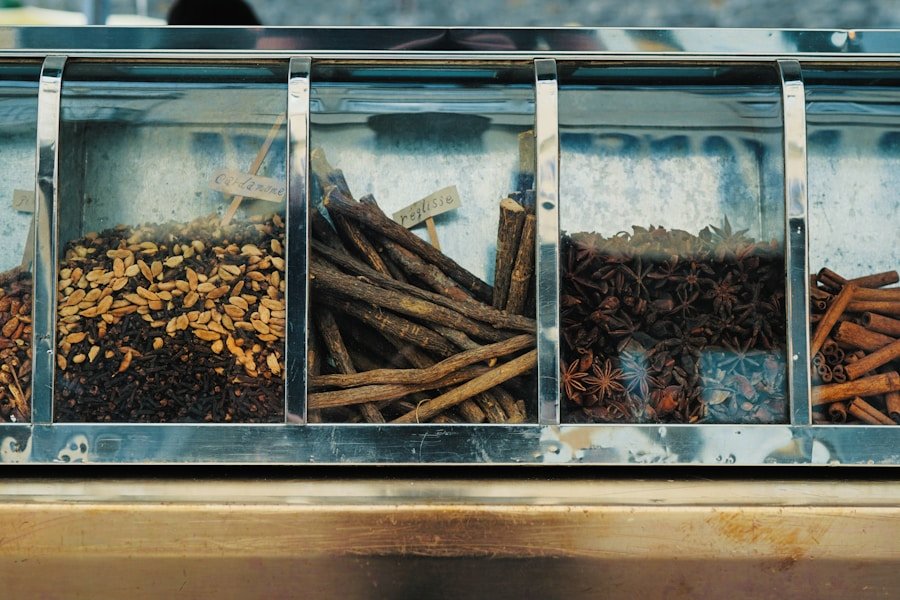
One of the most exciting ways to expand your culinary horizons is by experimenting with different spices and herbs. Spices and herbs are the key to adding depth and complexity to your dishes, and by exploring new flavors, you can create dishes that are truly unique and memorable. For example, you might experiment with spices like cumin, coriander, or turmeric to add a touch of warmth and earthiness to your dishes, or try using fresh herbs like cilantro, mint, or basil to bring a burst of freshness and flavor to your cooking.
In addition to experimenting with different spices and herbs, you can also learn about the cultural significance of these ingredients in different parts of the world. For example, you might explore the use of saffron in Persian cuisine or learn about the importance of chili peppers in Mexican cooking. By experimenting with different spices and herbs, you can not only create dishes that are delicious and unique but also gain a greater appreciation for the cultural diversity of food around the world.
Learn about cultural food customs and traditions
Another important aspect of expanding your culinary horizons is learning about cultural food customs and traditions. Food plays a central role in many cultures around the world, and by learning about the customs and traditions associated with different cuisines, you can gain a deeper understanding of the cultural significance of food. For example, you might learn about the importance of communal dining in Ethiopian culture or explore the tradition of afternoon tea in British cuisine. By learning about cultural food customs and traditions, you can not only enrich your culinary knowledge but also gain a greater appreciation for the diversity of food traditions around the world.
In addition to learning about cultural food customs and traditions, you can also explore the history and origins of different cuisines. For example, you might learn about the influences of Chinese cuisine on Japanese cooking or explore the fusion of African and Portuguese flavors in Brazilian food. By learning about the history and origins of different cuisines, you can gain a deeper understanding of the cultural diversity of food and create dishes that are both delicious and culturally authentic.
Try cooking dishes from different regions
One of the best ways to expand your culinary horizons is by trying out dishes from different regions around the world. Whether it’s exploring the bold flavors of Thai cuisine or savoring the rich spices of Indian cooking, trying out dishes from different regions can open up a whole new world of culinary experiences. For example, you might try making classic French dishes like coq au vin or boeuf bourguignon, or experiment with the vibrant flavors of Mexican cuisine by making dishes like enchiladas or mole sauce. By trying out dishes from different regions, you can not only expand your culinary repertoire but also gain a greater appreciation for the diversity of global cuisine.
In addition to trying out dishes from different regions, you can also explore the diverse range of ingredients and flavors that are used in different cuisines. For example, you might experiment with using coconut milk in Thai curries or explore the use of garam masala in Indian dishes. By trying out dishes from different regions, you can not only expand your culinary skills but also create dishes that are truly unique and culturally diverse.
Incorporate authentic cooking tools and equipment
Another important aspect of expanding your culinary horizons is incorporating authentic cooking tools and equipment into your kitchen. Many cultures around the world have their own unique tools and equipment that are essential for preparing traditional dishes, and by incorporating these tools into your kitchen, you can create dishes that are truly authentic and culturally rich. For example, you might invest in a traditional clay pot for making slow-cooked stews or soups, or explore the art of using a mortar and pestle for grinding spices and herbs. By incorporating authentic cooking tools and equipment into your kitchen, you can not only improve your cooking skills but also gain a greater appreciation for the cultural significance of food preparation in different parts of the world.
In addition to incorporating authentic cooking tools and equipment into your kitchen, you can also learn about the history and origins of these tools. For example, you might explore the use of a tandoor oven in Indian cuisine or learn about the traditional Japanese knives used for slicing sashimi. By incorporating authentic cooking tools and equipment into your kitchen, you can not only create dishes that are truly authentic but also gain a deeper understanding of the cultural diversity of food preparation around the world.
Share your global culinary experiences with friends and family
Finally, one of the best ways to expand your culinary horizons is by sharing your global culinary experiences with friends and family. Whether it’s hosting a dinner party featuring dishes from different regions around the world or simply sharing stories about your culinary adventures, sharing your global culinary experiences can inspire others to explore new flavors and ingredients. For example, you might host a themed dinner party featuring dishes from Southeast Asia or organize a cooking class to teach others about traditional Italian pasta-making techniques. By sharing your global culinary experiences with friends and family, you can not only inspire others to embrace new flavors and ingredients but also create lasting memories centered around food and culture.
In addition to sharing your global culinary experiences with friends and family, you can also explore opportunities to connect with others who share your passion for food. For example, you might join a local cooking club or attend food festivals and events to meet others who are equally enthusiastic about exploring global cuisine. By sharing your global culinary experiences with others, you can not only inspire others to expand their culinary horizons but also create a sense of community centered around a shared love for food and culture.
In conclusion, expanding your culinary horizons is an exciting journey that involves embracing new flavors and ingredients, researching traditional cooking techniques, experimenting with different spices and herbs, learning about cultural food customs and traditions, trying out dishes from different regions, incorporating authentic cooking tools and equipment, and sharing your global culinary experiences with friends and family. By being open to trying new flavors and ingredients, exploring traditional cooking techniques, experimenting with spices and herbs, learning about cultural food customs and traditions, trying out dishes from different regions, incorporating authentic cooking tools and equipment, and sharing your global culinary experiences with others, you can create dishes that are not only delicious but also culturally diverse and rich in flavor. So go ahead and embark on this exciting journey to expand your culinary horizons – it’s sure to be a delicious adventure!