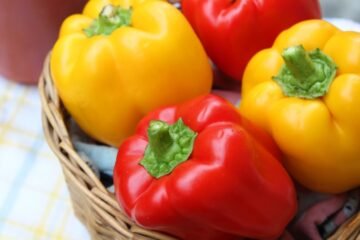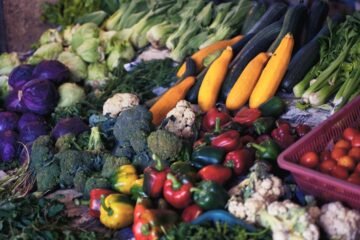



Vegan and vegetarian diets have gained popularity in recent years as people become more conscious of the impact of their food choices on their health, the environment, and animal welfare. A vegan diet excludes all animal products, including meat, dairy, eggs, and honey, while a vegetarian diet typically excludes meat but may include dairy and eggs. Both diets emphasize the consumption of plant-based foods such as fruits, vegetables, whole grains, legumes, nuts, and seeds.
Many people choose to follow a vegan or vegetarian diet for ethical reasons, as they believe in the humane treatment of animals and want to reduce their contribution to animal suffering. Others choose these diets for health reasons, as research has shown that plant-based diets can lower the risk of chronic diseases such as heart disease, diabetes, and certain types of cancer. Additionally, plant-based diets are often more sustainable and environmentally friendly than diets that rely heavily on animal products. Understanding the principles and benefits of vegan and vegetarian diets is the first step towards embracing a plant-powered lifestyle.
Nutritional Benefits of Plant-Powered Diets
Plant-powered diets offer a wide range of nutritional benefits that can support overall health and well-being. Fruits and vegetables are rich in essential vitamins, minerals, and antioxidants that can help protect the body from disease and promote optimal functioning. Whole grains, legumes, nuts, and seeds are excellent sources of protein, fiber, and healthy fats, which are important for muscle growth, digestion, and heart health.
Research has also shown that plant-based diets can help lower cholesterol levels, reduce blood pressure, and support healthy weight management. By focusing on whole, unprocessed foods, individuals following a vegan or vegetarian diet can also reduce their intake of saturated fat and cholesterol, which are commonly found in animal products. Additionally, plant-based diets are often higher in dietary fiber, which can help regulate blood sugar levels and promote digestive health. Understanding the nutritional benefits of plant-powered diets can help individuals make informed choices about their food intake and overall health.
Exploring Vegan and Vegetarian Ingredients
One of the most exciting aspects of adopting a vegan or vegetarian diet is the opportunity to explore a wide variety of new ingredients and flavors. Fruits and vegetables come in an endless array of colors, textures, and tastes, making it easy to create diverse and satisfying meals without relying on animal products. Whole grains such as quinoa, brown rice, and oats provide a hearty base for dishes like grain bowls, stir-fries, and salads. Legumes such as lentils, chickpeas, and black beans are versatile sources of protein that can be used in soups, stews, curries, and burgers.
Nuts and seeds add crunch and flavor to dishes while providing essential nutrients like omega-3 fatty acids and vitamin E. Plant-based milks such as almond, soy, and oat milk can be used in place of dairy milk in recipes for smoothies, baked goods, and creamy sauces. Tofu and tempeh are popular meat substitutes that can be marinated, grilled, or stir-fried to create delicious plant-based versions of classic dishes. By exploring vegan and vegetarian ingredients, individuals can expand their culinary horizons and discover new ways to enjoy nutritious and flavorful meals.
Delicious Vegan Recipes for Every Palate
There is no shortage of delicious vegan recipes to suit every palate, whether you prefer savory comfort foods, spicy ethnic dishes, or sweet treats. For a satisfying meal that is both hearty and healthy, try making a vegan chili with black beans, sweet potatoes, and a variety of spices. For a quick and easy weeknight dinner, whip up a batch of creamy coconut curry with tofu and vegetables served over fragrant jasmine rice. If you have a sweet tooth, indulge in a decadent chocolate avocado mousse made with ripe avocados, cocoa powder, and a touch of maple syrup.
For a refreshing summer dish, prepare a colorful quinoa salad with fresh herbs, crunchy vegetables, and a zesty lemon vinaigrette. If you’re craving something indulgent, treat yourself to a plate of crispy cauliflower buffalo wings served with tangy vegan ranch dressing. Whether you’re cooking for yourself or entertaining guests, there are countless vegan recipes to explore that are sure to please even the most discerning palates.
Tasty Vegetarian Recipes for Every Palate
Vegetarian cuisine offers a wide range of tasty recipes that cater to diverse tastes and preferences. For a comforting meal that is both filling and nutritious, try making a creamy mushroom risotto with Arborio rice, white wine, and plenty of Parmesan cheese. If you’re in the mood for something light and refreshing, prepare a vibrant Greek salad with ripe tomatoes, crisp cucumbers, briny olives, and tangy feta cheese. For a satisfying brunch option, whip up a batch of fluffy spinach and feta frittatas served with a side of buttery toast.
If you’re looking for a quick and easy dinner option that is packed with flavor, consider making a spicy chickpea curry with aromatic spices like cumin, coriander, and turmeric. For a sweet ending to any meal, indulge in a slice of rich chocolate zucchini bread made with grated zucchini, cocoa powder, and dark chocolate chips. Whether you’re a seasoned cook or just starting out in the kitchen, there are countless vegetarian recipes to explore that are sure to delight your taste buds.
Tips for Transitioning to a Plant-Powered Diet
Transitioning to a plant-powered diet can be an exciting and rewarding journey that offers numerous health benefits and culinary adventures. To make the transition smoother and more enjoyable, consider incorporating small changes into your daily routine rather than attempting to overhaul your entire diet all at once. Start by experimenting with new fruits and vegetables each week to expand your palate and discover new favorites. Gradually reduce your intake of animal products by incorporating more plant-based meals into your weekly menu.
Explore different cooking methods such as roasting, grilling, steaming, and sautéing to bring out the natural flavors of plant-based ingredients. Get creative with herbs, spices, and condiments to add depth and complexity to your dishes without relying on animal-derived ingredients. Seek out vegan and vegetarian cookbooks, blogs, and social media accounts for inspiration and support as you navigate your plant-powered journey. By taking small steps and staying open-minded, transitioning to a vegan or vegetarian diet can be an enjoyable process that leads to improved health and well-being.
Embracing a Plant-Powered Lifestyle
Embracing a plant-powered lifestyle offers numerous benefits for individuals seeking to improve their health, reduce their environmental impact, and support animal welfare. By understanding the principles of vegan and vegetarian diets and exploring new ingredients and recipes, individuals can discover the diverse flavors and nutritional benefits of plant-based eating. With the right tools and resources at their disposal, transitioning to a plant-powered diet can be an enjoyable and sustainable choice that promotes overall well-being.
Whether you’re drawn to the ethical considerations of animal welfare or the health benefits of plant-based eating, there are countless reasons to embrace a vegan or vegetarian lifestyle. By incorporating small changes into your daily routine and seeking out support from like-minded individuals, you can make the transition to a plant-powered diet with confidence and enthusiasm. With an abundance of delicious recipes to explore and a wealth of nutritious ingredients at your fingertips, there has never been a better time to embrace the vibrant world of vegan and vegetarian cuisine.