


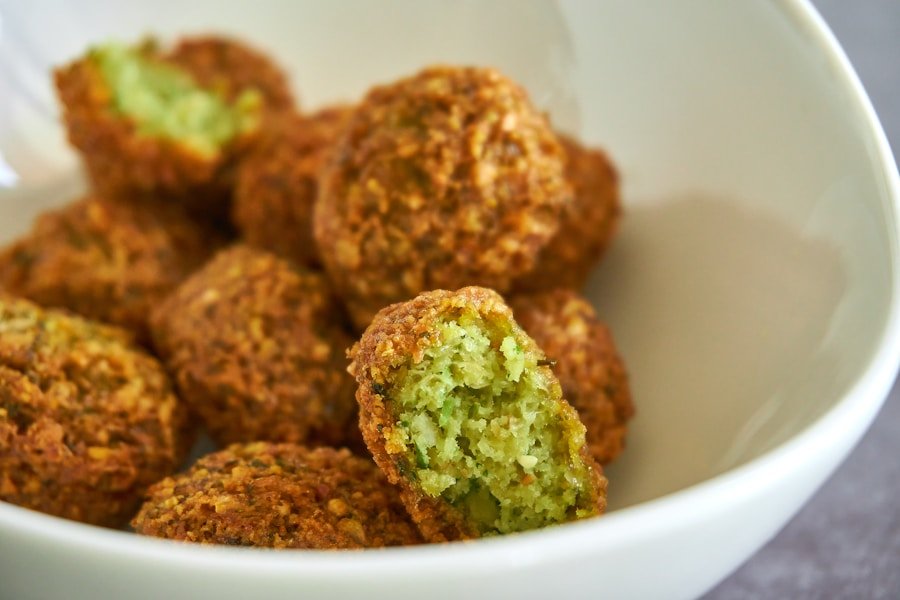
Falafel, a popular Middle Eastern dish, has a rich and fascinating history that dates back thousands of years. The origins of falafel can be traced back to ancient Egypt, where it was first made using fava beans. Over time, the recipe evolved, and chickpeas became the primary ingredient. The dish then spread throughout the Middle East, becoming a staple in countries like Lebanon, Israel, and Syria.
In the 20th century, falafel gained popularity in the Western world, thanks to the influx of Middle Eastern immigrants. Today, it is enjoyed by people all over the globe and has become a beloved street food in many cities. The history of falafel is a testament to the enduring appeal of this delicious and versatile dish.
The Art of Crafting the Perfect Falafel: Ingredients and Techniques
Crafting the perfect falafel requires a careful balance of ingredients and techniques. The key to a great falafel lies in the quality of the chickpeas, which should be soaked overnight to achieve the perfect texture. Other essential ingredients include fresh herbs like parsley and cilantro, as well as spices such as cumin and coriander.
The chickpeas and herbs are then ground together to form a coarse mixture, which is then seasoned with the spices. The mixture is shaped into small balls or patties and deep-fried until golden brown and crispy. The result is a flavorful and satisfying falafel that is crispy on the outside and tender on the inside. Mastering the art of crafting the perfect falafel takes time and practice, but the results are well worth the effort.
The Versatility of Falafel: Exploring Different Ways to Enjoy this Middle Eastern Favorite
One of the things that makes falafel so beloved is its incredible versatility. While it is often enjoyed as a sandwich or wrap, there are countless other ways to enjoy this Middle Eastern favorite. For example, falafel can be served on a platter with a variety of accompaniments, such as hummus, tahini, and tabbouleh. It can also be crumbled and used as a topping for salads or stuffed into pita pockets with fresh vegetables.
In addition to its versatility in terms of serving options, falafel can also be customized to suit different dietary preferences. For example, it can be made gluten-free by using chickpea flour instead of wheat flour, and it can be made vegan by omitting eggs from the recipe. Whether you prefer your falafel in a sandwich, on a platter, or in a salad, there are endless ways to enjoy this delicious and versatile dish.
Unwrapping the Secrets of a Mouthwatering Falafel Wrap: Tips for Building the Perfect Wrap
A falafel wrap is a delicious and satisfying meal that is perfect for lunch or dinner. Building the perfect falafel wrap requires attention to detail and a good understanding of flavor combinations. The key to a great falafel wrap lies in the quality of the ingredients. Start with a fresh and fluffy pita bread, then add a generous portion of crispy falafel balls or patties.
Next, add a generous dollop of creamy tahini sauce, along with a generous helping of fresh vegetables such as lettuce, tomatoes, cucumbers, and onions. For an extra kick of flavor, consider adding pickles or hot sauce. Once all the ingredients are assembled, wrap the pita around the filling and enjoy! The result is a mouthwatering falafel wrap that is bursting with flavor and texture.
The Health Benefits of Falafel: Nutritional Value and Dietary Considerations
In addition to being delicious, falafel also offers a range of health benefits. Chickpeas, the main ingredient in falafel, are an excellent source of protein and fiber, making them a great choice for vegetarians and vegans. They are also rich in vitamins and minerals, including iron, magnesium, and folate.
When prepared using healthy cooking methods, such as baking or air frying instead of deep-frying, falafel can be a nutritious addition to a balanced diet. However, it’s important to be mindful of portion sizes and accompaniments, as falafel wraps or platters can be high in calories and fat if they are loaded with sauces and fried accompaniments. By enjoying falafel in moderation and choosing healthier preparation methods, you can reap the nutritional benefits of this delicious Middle Eastern dish.
Exploring Regional Variations: How Different Middle Eastern Countries Put Their Own Spin on Falafel
While falafel is a beloved dish throughout the Middle East, different countries have put their own unique spin on this classic recipe. In Egypt, for example, falafel is often made using fava beans instead of chickpeas, resulting in a slightly different texture and flavor profile. In Israel, falafel is typically served in a pita with hummus and Israeli salad, while in Lebanon, it is often enjoyed with pickled vegetables and tahini sauce.
In addition to these regional variations, there are also countless regional specialties that incorporate falafel in unique ways. For example, in Jordan, you can find “falafel sandwiches” made with flatbread and stuffed with falafel balls, while in Syria, you might find “falafel plates” served with a variety of mezze dishes. Exploring these regional variations is a great way to gain a deeper appreciation for the diversity and complexity of Middle Eastern cuisine.
Bringing the Flavors of the Middle East Home: Recipes and Tips for Making Falafel at Home
Bringing the flavors of the Middle East into your own kitchen is easier than you might think. With just a few simple ingredients and some basic cooking techniques, you can create delicious homemade falafel that rivals anything you might find at a restaurant. To get started, gather your ingredients: chickpeas, fresh herbs, spices, and tahini sauce.
Once you have everything you need, follow a tried-and-true recipe for homemade falafel, making sure to soak your chickpeas overnight for the best results. When it comes time to fry your falafel, be sure to use plenty of oil and cook them until they are golden brown and crispy on the outside. Once your falafel is ready, serve it with pita bread, tahini sauce, and your favorite vegetables for a delicious homemade meal that will transport you straight to the streets of the Middle East.
In conclusion, falafel is a beloved Middle Eastern dish with a rich history and endless possibilities for enjoyment. Whether you prefer it in a wrap, on a platter, or in a salad, there are countless ways to savor this delicious and versatile dish. By understanding its history, mastering its preparation techniques, and exploring its regional variations, you can gain a deeper appreciation for the flavors and traditions of Middle Eastern cuisine. And by bringing the flavors of the Middle East into your own kitchen with homemade falafel recipes, you can enjoy this beloved dish anytime you like.