


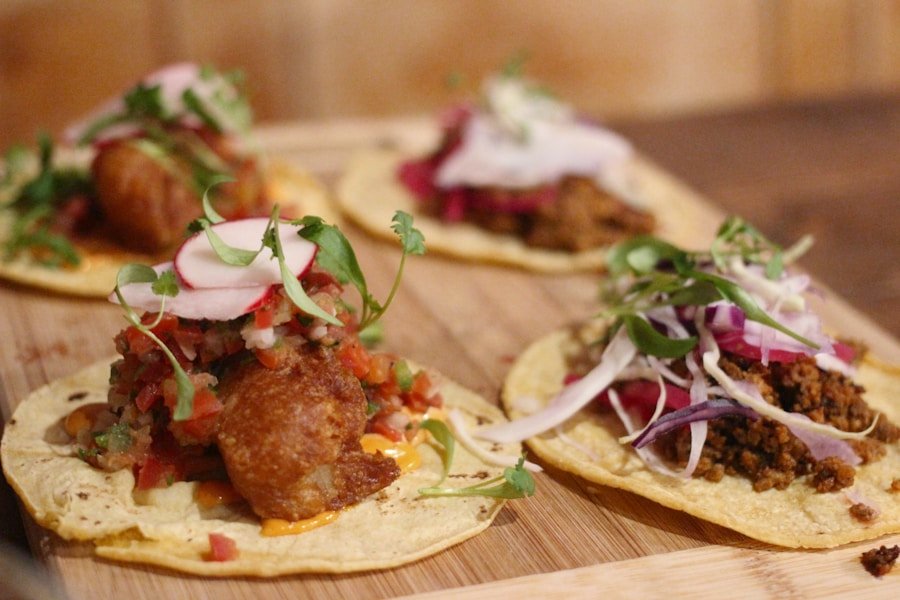
Tacos have become a beloved staple in the culinary world, but their origins can be traced back to ancient Mexico. The word “taco” is believed to have originated from the Nahuatl language, spoken by the Aztecs, and it referred to a small, handheld tortilla filled with a variety of ingredients. The Aztecs are credited with creating the first version of the taco, using fish as the filling and wrapping it in a tortilla made of corn. As Spanish conquistadors arrived in Mexico in the 16th century, they encountered the indigenous people eating tacos, and the concept quickly spread throughout the region.
The evolution of tacos continued as different regions in Mexico began to develop their own unique variations. The taco al pastor, for example, is said to have been inspired by the shawarma brought by Lebanese immigrants to Mexico in the early 20th century. This fusion of flavors and techniques resulted in the iconic dish we know today. From its humble beginnings as a simple street food, tacos have now become a global phenomenon, with countless variations and interpretations found in restaurants and food trucks around the world.
Regional Variations: Exploring the Diverse Taco Styles Across Mexico
One of the most fascinating aspects of tacos is the incredible diversity of styles found across different regions of Mexico. In the northern states, such as Sonora and Baja California, you’ll find tacos de carne asada, featuring grilled beef served on a flour tortilla. In the Yucatan Peninsula, cochinita pibil tacos are a popular choice, made with slow-roasted pork marinated in achiote paste and wrapped in a corn tortilla. In Oaxaca, tlayudas are a unique take on tacos, with a large, thin tortilla topped with various ingredients such as beans, cheese, and meats.
The coastal regions of Mexico offer their own distinct taco styles, with seafood playing a prominent role. Tacos de pescado, or fish tacos, are a specialty in places like Baja California and Sinaloa, where fresh fish is battered and fried before being served in a tortilla with cabbage slaw and creamy sauces. Each region’s climate, geography, and cultural influences have contributed to the development of these diverse taco styles, showcasing the rich tapestry of Mexican cuisine.
Taco Traditions: Uncovering the Cultural Significance of Tacos in Mexican Society
Tacos are not just a delicious food; they also hold deep cultural significance in Mexican society. In many households, taco-making is a cherished tradition passed down through generations, with family recipes and techniques carefully preserved and shared. The act of preparing and sharing tacos brings people together, fostering a sense of community and connection. Tacos are often enjoyed during festive occasions such as birthdays, holidays, and religious celebrations, serving as a symbol of unity and joy.
Furthermore, tacos have played a crucial role in shaping Mexican identity and pride. They are a representation of the country’s rich culinary heritage and serve as a source of national pride. In recent years, efforts have been made to preserve and promote traditional taco-making techniques and ingredients, recognizing their cultural importance. From street vendors to high-end restaurants, tacos continue to be an integral part of Mexican culture, serving as a reminder of the country’s vibrant traditions and customs.
From Street Carts to Michelin Stars: The Evolution of Tacos in the Culinary World
While tacos have long been associated with street food culture, they have also made their mark in fine dining establishments around the world. Chefs and restaurateurs have elevated the humble taco into a gourmet experience, incorporating high-quality ingredients and innovative techniques to create upscale versions of this beloved dish. In recent years, several restaurants specializing in upscale tacos have earned Michelin stars, further solidifying the dish’s place in the culinary world.
The evolution of tacos in fine dining has also led to creative interpretations and fusion dishes that push the boundaries of traditional flavors and presentations. Chefs are experimenting with unconventional fillings such as duck confit, foie gras, and truffles, while also incorporating global influences from Japanese, Korean, and Mediterranean cuisines. This evolution has sparked a new wave of appreciation for tacos as a versatile and sophisticated dish that can be enjoyed in both casual and upscale settings.
The Taco Revolution: How Tacos Have Taken the Global Food Scene by Storm
In recent years, tacos have experienced a surge in popularity on the global food scene, becoming a favorite among food enthusiasts and casual diners alike. The rise of social media and food-focused television shows has helped propel tacos into the spotlight, showcasing their diverse flavors and vibrant presentations. Food trucks and pop-up restaurants dedicated to serving authentic Mexican tacos have become a common sight in cities around the world, introducing new audiences to this beloved street food.
The accessibility and versatility of tacos have contributed to their widespread appeal, making them an ideal choice for people with diverse dietary preferences. Whether you’re a meat lover, vegetarian, or seafood enthusiast, there’s a taco for everyone. Additionally, the customizable nature of tacos allows for endless creativity and experimentation, leading to an ever-expanding array of flavors and combinations. As a result, tacos have become a symbol of culinary innovation and inclusivity, bridging cultural divides and bringing people together through their shared love of good food.
Taco Tales: Heartwarming Stories of Family Recipes and Generational Taco-Making
Behind every delicious taco is a story waiting to be told. For many families in Mexico and beyond, taco-making is more than just a culinary tradition; it’s a way to honor their heritage and preserve cherished memories. From secret spice blends passed down through generations to time-honored cooking techniques perfected over decades, each taco recipe carries with it a sense of history and nostalgia. These family recipes serve as a link to the past, connecting individuals to their ancestors and cultural roots.
In addition to preserving culinary traditions, taco-making has also become a means of bonding and sharing experiences within families. Many households gather together to prepare tacos for special occasions or simply as a way to spend quality time with loved ones. The act of making tacos becomes an opportunity for storytelling, laughter, and creating lasting memories that will be cherished for years to come. These heartwarming tales of family recipes and generational taco-making serve as a testament to the enduring power of food to bring people together.
The Future of Tacos: Examining the Modern Innovations and Trends in Taco Culture
As tacos continue to captivate food enthusiasts around the world, it’s clear that this beloved dish is here to stay. Looking ahead, we can expect to see further innovations and trends that will shape the future of taco culture. One such trend is the growing emphasis on sustainability and ethical sourcing within the taco industry. Many chefs and restaurants are prioritizing locally sourced ingredients and environmentally friendly practices to create more sustainable taco offerings.
Another emerging trend is the fusion of global flavors with traditional taco recipes. Chefs are experimenting with bold flavor combinations inspired by cuisines from around the world, resulting in exciting new interpretations of classic tacos. Additionally, there is a growing interest in plant-based tacos that cater to the increasing demand for vegetarian and vegan options. Innovative ingredients such as jackfruit, mushrooms, and plant-based proteins are being used to create delicious meat-free alternatives that appeal to a wide range of diners.
In conclusion, tacos have come a long way from their humble beginnings in ancient Mexico to becoming a global culinary phenomenon. Their rich history, diverse regional variations, cultural significance, and evolving presence in the culinary world all contribute to their enduring appeal. As we look towards the future, it’s clear that tacos will continue to inspire creativity, foster connections, and bring joy to people around the world for generations to come.