


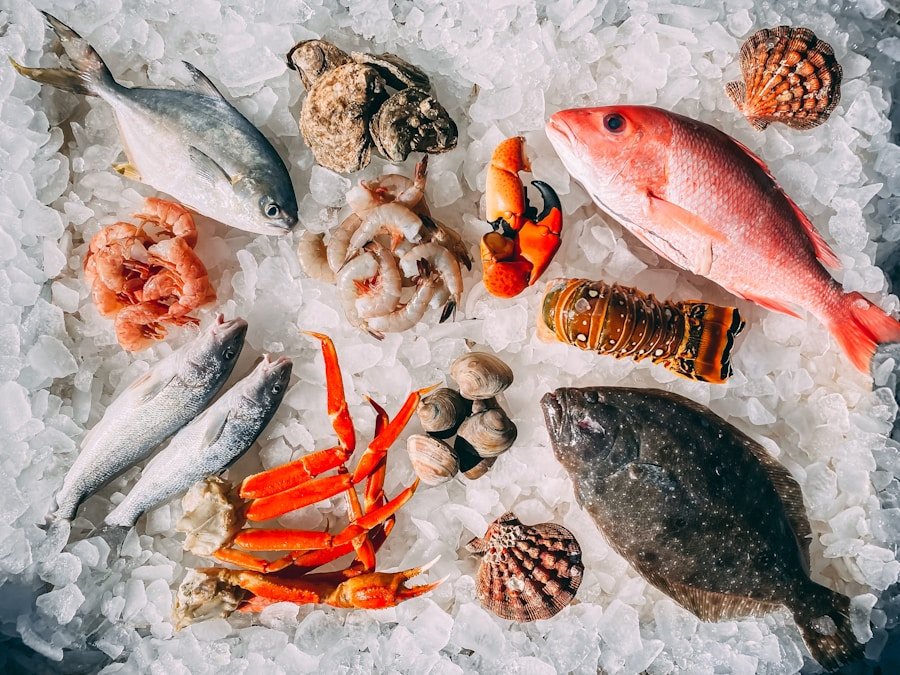
Ceviche is a traditional dish that originated in Peru and has since become popular throughout Latin America and beyond. The dish typically consists of raw fish or seafood that is marinated in citrus juices, such as lime or lemon, which effectively “cooks” the fish. The acidity of the citrus juice denatures the proteins in the fish, giving it a firm texture and opaque appearance. Traditional ceviche also includes ingredients such as onions, cilantro, and chili peppers, which add a burst of flavor and heat to the dish. The result is a refreshing and zesty dish that is perfect for a hot summer day.
In addition to the classic fish or seafood ceviche, there are also variations that include other types of protein, such as shrimp or octopus. These variations often include the same citrus marinade and additional ingredients to complement the unique flavors of the different types of seafood. Traditional ceviche is typically served with sides such as sweet potato, corn, or plantain chips, which add a satisfying crunch to the dish. Overall, traditional ceviche is a simple yet flavorful dish that has stood the test of time and continues to be a beloved staple in Latin American cuisine.
Ceviche with a Twist
While traditional ceviche is delicious in its own right, many chefs and home cooks have put their own spin on the classic dish to create unique and innovative variations. One popular twist on ceviche is to incorporate different types of citrus fruits into the marinade, such as grapefruit or orange, to add a subtle sweetness to the dish. Another creative variation is to use different types of acids, such as vinegar or even coconut milk, to marinate the fish or seafood, resulting in a more complex and nuanced flavor profile.
In addition to experimenting with the marinade, chefs have also started to play around with the ingredients used in ceviche. For example, some variations include avocado, mango, or even pomegranate seeds to add a creamy or fruity element to the dish. Others have incorporated unconventional ingredients such as quinoa or edamame to give the dish a modern and healthy twist. These creative variations have breathed new life into the traditional dish and have made ceviche a versatile and exciting option for food lovers everywhere.
Regional Ceviche Variations
As ceviche has spread throughout Latin America and beyond, different regions have put their own unique spin on the classic dish, resulting in a wide array of regional variations. In Mexico, for example, ceviche is often made with shrimp and includes ingredients such as tomato, cucumber, and avocado, giving it a fresh and vibrant flavor. In Ecuador, ceviche is typically made with shrimp or fish and is served with a spicy tomato-based sauce called “aji” that adds a fiery kick to the dish.
In Central America, ceviche is often made with a mix of seafood such as shrimp, octopus, and conch, and is served with a side of crispy tortilla chips for scooping up the flavorful mixture. In the Caribbean, ceviche is known as “escabeche” and is made with a variety of seafood such as snapper or lobster, marinated in a tangy vinegar-based marinade with onions and peppers. These regional variations showcase the diversity and adaptability of ceviche, making it a beloved dish across different cultures and culinary traditions.
Unique Seafood Ceviche
While traditional ceviche typically features fish or shrimp as the main protein, there are also unique variations that incorporate different types of seafood to create a one-of-a-kind dish. For example, some chefs have experimented with using scallops or squid in their ceviche to add a delicate texture and briny flavor to the dish. Others have used more unconventional seafood such as crab or lobster to create a luxurious and indulgent version of ceviche.
In addition to using different types of seafood, some chefs have also incorporated international flavors into their ceviche by using ingredients such as Japanese yuzu or Korean gochujang to add a unique twist to the dish. These innovative variations showcase the versatility of ceviche and highlight the endless possibilities for creating new and exciting seafood dishes.
Vegetarian Ceviche Options
For those who prefer to avoid seafood, there are also vegetarian options for enjoying the refreshing flavors of ceviche. One popular variation is to use hearts of palm or mushrooms as the main ingredient, marinated in citrus juices and mixed with ingredients such as tomatoes, onions, and cilantro to create a satisfying and flavorful vegetarian ceviche. Another option is to use fruits such as mango or pineapple as the base for a sweet and tangy vegetarian ceviche that is perfect for summertime.
In addition to using alternative ingredients, some chefs have also experimented with using plant-based proteins such as tofu or tempeh to create a vegetarian version of ceviche that is high in protein and full of flavor. These vegetarian options provide a fresh and healthy alternative to traditional ceviche while still capturing the essence of the classic dish.
Fusion Ceviche Creations
In recent years, chefs have started to experiment with fusing ceviche with other culinary traditions to create innovative and exciting fusion dishes. One popular fusion variation is to combine ceviche with sushi to create a “ceviche roll” that features marinated fish or seafood wrapped in seaweed and rice, resulting in a refreshing and light sushi option. Another fusion creation is to incorporate ceviche into tacos by using marinated seafood as the filling for a fresh and zesty taco that is perfect for summer dining.
In addition to combining ceviche with other cuisines, some chefs have also experimented with using different cooking techniques such as grilling or smoking the seafood before marinating it in citrus juices to add depth and complexity to the dish. These fusion creations showcase the adaptability of ceviche and highlight its potential for creating new and exciting culinary experiences.
Ceviche with a Peruvian Flair
Despite its popularity around the world, Peru remains the epicenter of ceviche culture, with countless variations and styles that showcase the country’s rich culinary heritage. In Peru, ceviche is typically made with fresh fish such as sea bass or flounder that is marinated in lime juice and mixed with ingredients such as red onions, cilantro, and chili peppers to create a bold and zesty flavor profile. The dish is often served with sides such as sweet potato or corn to add texture and balance to the dish.
In addition to traditional ceviche, Peru also offers unique regional variations such as “tiradito,” which features thinly sliced fish marinated in citrus juices and served with a spicy sauce for an extra kick. Another popular variation is “leche de tigre,” which is the leftover marinade from making ceviche that is often served as a shot or mixed with other ingredients such as seafood or vegetables for a refreshing and invigorating dish. These Peruvian variations highlight the country’s deep connection to ceviche and its ongoing influence on the global culinary landscape.
In conclusion, ceviche is a versatile and exciting dish that has captured the hearts and palates of food lovers around the world. From traditional variations to innovative fusion creations, there are endless possibilities for enjoying this refreshing and flavorful dish. Whether you prefer classic fish ceviche or are looking for unique vegetarian or seafood options, there is something for everyone to enjoy when it comes to this beloved Latin American staple. So next time you’re craving something light and zesty, consider trying out one of these delicious ceviche variations for a truly unforgettable dining experience.