

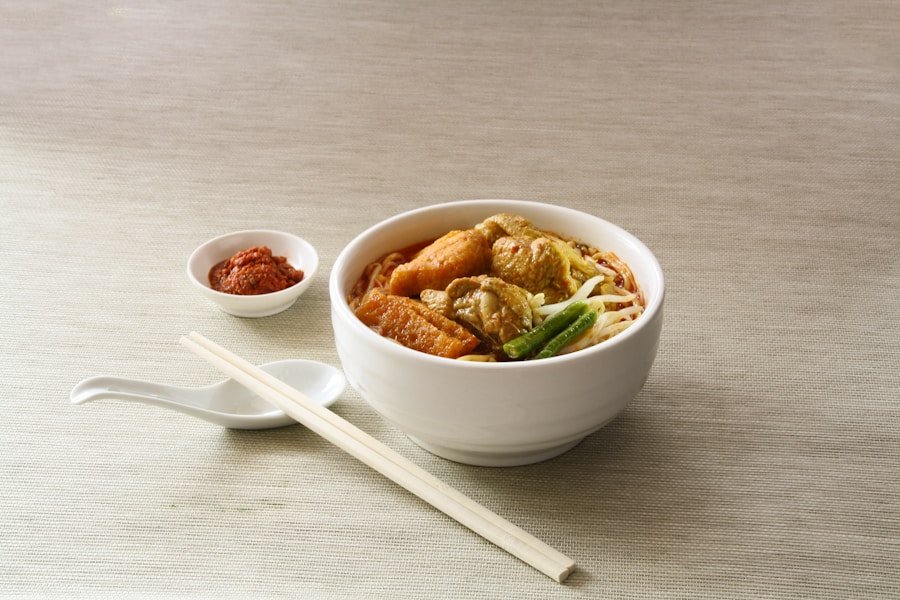
Over time, chow mein has become a staple in Chinese cuisine, and its popularity has spread globally, with various adaptations and interpretations in different countries. In the United States, for example, chow mein is often served with a thick, brown sauce, while in India, it is commonly made with a spicy twist. The dish has also been embraced in other parts of Asia, such as Malaysia and Singapore, where it is often served with seafood or tofu. The evolution of chow mein reflects the diversity and adaptability of Chinese cuisine, making it a beloved and versatile dish that continues to captivate food enthusiasts around the world.
Chow mein has not only evolved in terms of its ingredients and flavors but also in its cultural significance. In Chinese culture, noodles symbolize longevity and are often served during celebrations and special occasions. As a result, chow mein has become a popular dish for Chinese New Year and other festive gatherings. Its enduring popularity and cultural significance make chow mein a dish that is deeply rooted in tradition while also embracing innovation and adaptation.
Essential Ingredients: The key components of a delicious chow mein include the type of noodles, protein, vegetables, and sauces. The type of noodles used in chow mein is crucial to achieving the perfect texture and flavor. While there are various types of noodles that can be used, such as egg noodles or rice noodles, the most common choice for chow mein is thin, long wheat noodles that are slightly chewy when cooked. These noodles are stir-fried to create a crispy texture on the outside while remaining soft on the inside.
In addition to the noodles, protein is an essential component of chow mein. While traditional chow mein often includes chicken or pork, there are also variations that feature beef, shrimp, or tofu as the main protein. The choice of protein can vary based on personal preferences and dietary restrictions, making chow mein a versatile dish that can cater to different tastes.
Furthermore, a variety of vegetables are used in chow mein to add color, texture, and flavor. Common vegetables used in chow mein include bell peppers, onions, carrots, and cabbage. These vegetables are typically sliced or julienned to ensure even cooking and a visually appealing presentation. The combination of protein and vegetables creates a balanced and nutritious meal that is both satisfying and flavorful.
Finally, the sauces used in chow mein play a crucial role in enhancing the overall taste of the dish. A combination of soy sauce, oyster sauce, and sesame oil is often used to create a savory and umami-rich flavor profile. Additionally, other seasonings such as garlic, ginger, and chili flakes may be added to further enhance the depth of flavor. The careful balance of these essential ingredients is what makes chow mein a beloved and satisfying dish that continues to captivate food enthusiasts around the world.
Cooking Techniques: The perfect chow mein requires careful attention to cooking techniques to achieve the ideal texture and flavor. One of the most common cooking methods used to create chow mein is stir-frying. This technique involves cooking the ingredients over high heat in a wok or large skillet while continuously stirring to ensure even cooking and prevent sticking. Stir-frying allows the noodles to develop a crispy texture on the outside while remaining soft on the inside, creating a delightful contrast in every bite.
In addition to stir-frying, steaming is another cooking technique that can be used to create chow mein. Steaming the noodles before stir-frying them can help achieve a softer texture while retaining their chewiness. This method is particularly useful for thicker or denser noodles that may require additional cooking time to achieve the desired consistency.
Furthermore, blanching vegetables before stir-frying them can help maintain their vibrant colors and crisp texture. This technique involves briefly immersing the vegetables in boiling water before quickly cooling them in ice water to stop the cooking process. By blanching the vegetables, they can be added to the stir-fry at the right moment to ensure they are perfectly cooked without becoming overdone.
Overall, mastering these cooking techniques is essential for creating the perfect chow mein that is both visually appealing and bursting with flavor. Whether stir-frying or steaming, each technique plays a crucial role in achieving the ideal texture and taste that makes chow mein a beloved dish for food enthusiasts around the world.
Authentic Flavors: Authentic chow mein is characterized by traditional flavors and seasonings that create a perfect balance of savory, sweet, and umami. One of the key components of authentic chow mein is the use of soy sauce, which adds a rich umami flavor to the dish. Additionally, oyster sauce is often used to enhance the savory profile of the dish while adding a touch of sweetness.
Furthermore, sesame oil is commonly used in authentic chow mein to impart a nutty aroma and flavor that complements the other ingredients. The combination of these essential seasonings creates a complex and well-rounded flavor profile that is both comforting and satisfying.
In addition to these traditional seasonings, garlic and ginger are often used to add depth and complexity to the flavor of chow mein. These aromatic ingredients are typically minced or finely chopped before being added to the stir-fry to infuse the dish with their distinctive flavors.
Moreover, achieving authentic flavors in chow mein also involves careful attention to seasoning and tasting throughout the cooking process. Adjusting the amount of soy sauce, oyster sauce, and other seasonings based on personal preferences is crucial for achieving the perfect balance of flavors that make chow mein an irresistible dish.
Overall, understanding and mastering these authentic flavors is essential for creating a delicious chow mein that captures the essence of traditional Chinese cuisine while also embracing innovation and adaptation.
Tips for Success: Making chow mein at home can be a rewarding experience with the right tips and tricks for success. One important tip for making delicious chow mein is to properly prepare and cook the ingredients before stir-frying them. This includes ensuring that the protein is marinated for optimal flavor and tenderness, and that the vegetables are sliced or julienned evenly for even cooking.
Furthermore, it’s important to cook the noodles until they are al dente before adding them to the stir-fry. Overcooking the noodles can result in a mushy texture, so it’s crucial to monitor their cooking time carefully to achieve the perfect consistency.
Another tip for success is to use high heat when stir-frying the ingredients to create a delightful char on the noodles while maintaining their softness on the inside. This high heat also helps to develop a smoky flavor that adds depth to the dish.
Additionally, it’s important to avoid overcrowding the wok or skillet when stir-frying to ensure that the ingredients cook evenly and develop a crispy texture. Working in batches if necessary can help achieve this balance.
Overall, following these tips for success can help home cooks create delicious chow mein that rivals their favorite restaurant versions while allowing for personal customization and creativity.
Variations and Customizations: Chow mein offers endless possibilities for variations and customizations based on regional preferences and personal tastes. In China alone, there are numerous regional variations of chow mein that reflect local ingredients and culinary traditions. For example, Cantonese-style chow mein often features a light sauce with an emphasis on fresh vegetables and seafood, while Sichuan-style chow mein is known for its bold and spicy flavors.
Furthermore, there are countless ways to customize chow mein based on individual preferences. For those who prefer a vegetarian option, tofu or tempeh can be used as a protein substitute, while an array of colorful vegetables can be added for a vibrant and nutritious twist.
Moreover, customizing the level of spiciness in chow mein by adjusting the amount of chili flakes or adding fresh chili peppers allows for personalization based on heat tolerance and flavor preferences.
Additionally, experimenting with different types of noodles such as rice noodles or udon noodles can create unique variations of chow mein that cater to diverse tastes and dietary restrictions.
Overall, embracing variations and customizations allows for endless creativity in making chow mein at home or experiencing different regional interpretations at restaurants around the world.
Serving and Pairing: Serving and pairing chow mein with other dishes and beverages can elevate the dining experience and create a complete and satisfying meal. Chow mein is often served as a main course alongside other Chinese dishes such as spring rolls, dumplings, or hot and sour soup for a well-rounded meal.
Furthermore, pairing chow mein with beverages such as green tea or jasmine tea can complement its savory flavors while cleansing the palate between bites.
Moreover, serving chow mein with pickled vegetables or kimchi can add a refreshing contrast to its rich flavors while providing additional texture and acidity.
Additionally, pairing chow mein with light-bodied wines such as Riesling or Pinot Grigio can enhance its savory profile while providing a refreshing accompaniment.
Overall, understanding how to serve and pair chow mein with other dishes and beverages allows for a complete dining experience that celebrates its rich flavors while offering diverse culinary possibilities.
In conclusion, chow mein has a fascinating history and cultural significance that has evolved over time to become a beloved dish with endless variations and possibilities for customization. Understanding its origins, essential ingredients, cooking techniques, authentic flavors, tips for success, variations and customizations, as well as serving and pairing options allows for an appreciation of its rich culinary heritage while embracing innovation and creativity in making this iconic Chinese dish at home or experiencing its diverse interpretations around the world. Whether enjoying traditional Cantonese-style chow mein or experimenting with personalized variations, this iconic dish continues to captivate food enthusiasts with its delightful textures and complex flavors that celebrate Chinese cuisine’s enduring legacy.