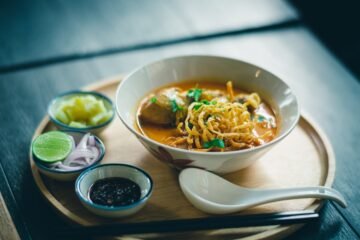



Dolma is a traditional Middle Eastern dish that consists of various vegetables, such as grape leaves, zucchini, eggplant, and peppers, stuffed with a mixture of rice, herbs, and sometimes meat. The word “dolma” actually means “stuffed” in Turkish, and the dish is a staple in many Middle Eastern and Mediterranean cuisines. The filling for dolma can vary depending on the region and personal preferences, but it typically includes a combination of rice, onions, herbs like mint and parsley, and sometimes ground meat such as lamb or beef. The mixture is then carefully stuffed into the hollowed-out vegetables and cooked until tender. Dolma is often served as an appetizer or as part of a larger meal, and it is known for its savory and aromatic flavors.
Dolma is a versatile dish that can be enjoyed in many different forms, from the classic grape leaf-wrapped version to variations made with eggplant, zucchini, or bell peppers. The dish is popular in countries like Turkey, Greece, Lebanon, and Armenia, where it is often enjoyed as part of a mezze spread or as a main course. Dolma is also a popular dish during religious holidays and special occasions, and it is often prepared with care and attention to detail. Whether served hot or cold, dolma is a beloved dish that has been enjoyed for centuries and continues to be a favorite among food enthusiasts around the world.
The History of Dolma
The history of dolma dates back thousands of years and is deeply rooted in the culinary traditions of the Middle East and Mediterranean regions. The origins of dolma can be traced back to ancient Persia, where stuffed vegetables were a common part of the royal cuisine. Over time, the dish spread to neighboring countries like Turkey, Greece, and Armenia, where it became an integral part of the local culinary traditions. The exact origins of dolma are difficult to pinpoint, as the dish has evolved over time and has been adapted to suit the tastes and ingredients of different regions.
In Turkey, dolma has been a beloved dish for centuries and is often associated with special occasions and family gatherings. The art of making dolma has been passed down through generations, with each family adding their own unique twist to the recipe. In some regions of Turkey, dolma is considered a symbol of hospitality and is often served to guests as a sign of welcome. The dish has also been featured in Turkish literature and poetry, further cementing its place in the country’s cultural heritage. Today, dolma continues to be a popular dish in Turkey and is enjoyed by locals and visitors alike.
Different Varieties of Dolma
Dolma comes in many different varieties, each with its own unique flavors and ingredients. One of the most well-known types of dolma is the grape leaf-wrapped version, which is made by wrapping a mixture of rice, herbs, and sometimes meat in tender grape leaves. This type of dolma is often served cold as an appetizer or part of a mezze spread. Another popular variety of dolma is made with eggplant, which is hollowed out and stuffed with a savory mixture of rice, herbs, and ground meat. This type of dolma is often served hot and can be enjoyed as a main course.
In addition to grape leaves and eggplant, dolma can also be made with other vegetables such as zucchini, bell peppers, or tomatoes. Each type of dolma has its own unique flavor profile and texture, making it a versatile dish that can be enjoyed in many different forms. Some variations of dolma are vegetarian-friendly, while others include meat for added richness and flavor. Regardless of the type of dolma, the dish is known for its savory and aromatic flavors, making it a favorite among food enthusiasts around the world.
How to Make Dolma
Making dolma requires patience and attention to detail, but the end result is well worth the effort. To make grape leaf-wrapped dolma, start by preparing the filling mixture. In a bowl, combine cooked rice, finely chopped onions, fresh herbs like mint and parsley, and ground meat if desired. Season the mixture with salt, pepper, and a pinch of cinnamon for added warmth. Next, carefully separate the grape leaves and place a small spoonful of the filling in the center of each leaf. Fold the sides of the leaf over the filling and roll it up tightly to create a small parcel.
Once all the grape leaves are filled and rolled, arrange them in a large pot in a single layer. Add water to cover the dolma and place a heavy plate on top to keep them submerged during cooking. Simmer the dolma over low heat for about 45 minutes to an hour, or until the rice is tender and the grape leaves are soft. Once cooked, remove the dolma from the pot and allow them to cool before serving. Grape leaf-wrapped dolma can be enjoyed hot or cold and is often served with a dollop of yogurt or a squeeze of lemon juice for added brightness.
To make eggplant or other vegetable-based dolma, start by hollowing out the vegetables and preparing the filling mixture as described above. Stuff the vegetables with the filling and arrange them in a baking dish. Drizzle with olive oil and sprinkle with salt before covering with foil and baking in the oven until tender. Once cooked, allow the dolma to cool slightly before serving with a side of yogurt or a simple tomato sauce.
The Cultural Significance of Dolma in Turkey
In Turkey, dolma holds a special place in the country’s culinary traditions and cultural heritage. The dish is often associated with hospitality and is considered a symbol of welcome in many regions of Turkey. Dolma is often prepared with care and attention to detail, making it a beloved dish that is enjoyed during religious holidays, family gatherings, and special occasions. The art of making dolma has been passed down through generations in Turkey, with each family adding their own unique twist to the recipe.
Dolma is also featured in Turkish literature and poetry, further cementing its place in the country’s cultural heritage. The dish has been celebrated in songs and stories for centuries, highlighting its importance in Turkish society. In addition to its cultural significance, dolma also plays a role in Turkish cuisine as part of the country’s rich culinary traditions. The dish is often enjoyed as part of a mezze spread or as a main course, showcasing its versatility and popularity among locals and visitors alike.
Where to Find the Best Dolma in Turkey
When visiting Turkey, there are many places where you can find delicious dolma that showcases the country’s culinary traditions. One popular option is to visit local restaurants or cafes that specialize in traditional Turkish cuisine. These establishments often offer a wide variety of dolma made with fresh ingredients and authentic flavors. Another option is to visit local markets or food stalls where you can sample homemade dolma prepared by local cooks. These homemade versions often showcase regional variations and unique twists on the classic dish.
If you’re looking for an immersive culinary experience, consider taking a cooking class where you can learn how to make dolma from scratch using traditional methods and ingredients. Many cooking classes in Turkey offer hands-on instruction from experienced chefs who can teach you the art of making dolma while sharing stories about its cultural significance. Finally, if you’re traveling during a religious holiday or special occasion, be sure to seek out local celebrations where you can enjoy homemade dolma prepared by families in the community. These homemade versions often showcase traditional recipes that have been passed down through generations.
Tips for Enjoying Dolma like a Local
When enjoying dolma in Turkey, there are a few tips to keep in mind to fully appreciate this beloved dish like a local. First, be sure to savor each bite slowly to fully appreciate the flavors and textures of the dish. Dolma is meant to be enjoyed leisurely as part of a larger meal or as an appetizer during social gatherings. Second, don’t be afraid to try different varieties of dolma to experience the full range of flavors that this versatile dish has to offer. Whether it’s grape leaf-wrapped dolma or stuffed eggplant, each type has its own unique characteristics that are worth exploring.
Another tip for enjoying dolma like a local is to pair it with traditional accompaniments such as yogurt or a simple tomato sauce. These condiments help balance out the savory flavors of the dish while adding brightness and creaminess. Finally, don’t be afraid to ask locals for their favorite places to enjoy dolma in their city or region. Many locals have their own go-to spots for enjoying this beloved dish, whether it’s a family-owned restaurant or a hidden gem known for its exceptional dolma. By seeking out these local recommendations, you can discover some of the best versions of dolma that Turkey has to offer.
In conclusion, dolma is a beloved dish that holds deep cultural significance in Turkey and other countries in the Middle East and Mediterranean regions. Whether enjoyed as part of a mezze spread or as a main course, this versatile dish continues to be cherished by locals and visitors alike for its savory flavors and rich history. By seeking out traditional versions of dolma at local establishments or through immersive culinary experiences, you can fully appreciate this beloved dish like a local while gaining insight into its cultural significance in Turkey.